
Il costo del contestoThe cost of context
Non tutto ciò che costa ha una riga di budget, ed alcune cose costano perché non sono mai state progettate.Not everything that costs money has a line in the budget, and some things cost because they were never designed.
Il lavoro può andare avanti anche quando mancano delle cose fondamentali.
Le persone consegnano.
Le riunioni si moltiplicano.
Le decisioni, in un modo o nell’altro, vengono prese.
Ma quando nessuno ha chiarito perché stiamo facendo una cosa,
chi decide davvero e quali criteri contano quando le cose si complicano,
il lavoro non si ferma.
Semplicemente, diventa più costoso.
Non in modo immediatamente visibile e neanche in una voce di bilancio.
Ma nel tempo, nelle energie spese, nelle frizioni che si accumulano.
È da qui che nasce quello che chiamo
il costo del contesto.
Non è un costo operativo, creativo e nemmeno un costo organizzativo.
È il costo che paghi quando il lavoro avviene in condizioni
che non rendono esplicite alcune cose fondamentali.
Vediamole insieme.
I. Perché stiamo facendo questa cosa?
Succede quando un progetto parte perché “serve”, ma nessuno chiarisce per cosa.
E li può capitare che:
una persona lo legge come urgenza di business;
un’altra come miglioramento qualitativo;
un’altra ancora come test esplorativo.
Il risultato è che tutti lavorano con estremo impegno, ma verso obiettivi diversi.
E ogni review sembra una correzione arbitraria.
Il costo qui non è l’errore. È il disallineamento.
II. Chi decide cosa, e quando?
Succede quando formalmente esiste un responsabile,
ma le decisioni reali arrivano altrove.
Magari:
una scelta viene “aggiustata” in un commento Slack;
un cambio di direzione emerge in call, senza follow-up;
una decisione viene rimandata finché non diventa urgente.
Così le persone imparano una cosa precisa: le decisioni non seguono un processo, seguono il contesto del momento.
Il costo qui è l’incertezza continua su quando qualcosa è davvero deciso.
III. Quali criteri contano, quando le cose entrano in conflitto?
Succede quando due esigenze legittime si scontrano:
tempo vs qualità, coerenza vs velocità…
ma nessuno esplicita quale pesa di più in quel momento.
Allora:
una scelta viene bocciata “perché non è abbastanza curata”;
la settimana dopo, una simile passa “perché ora dobbiamo consegnare”;
senza che nessuno dica che i criteri sono cambiati.
Le persone smettono totalmente di ragionare in termini di qualità.
Cominciano a ragionare in termini di sopravvivenza.
Il costo qui è la perdita di fiducia nei criteri, non nelle persone.
C’è però un paradosso
Quando queste tre cose non sono esplicitate, il lavoro non si ferma (non può).
Continua.
Ma il contesto viene costruito lo stesso, dal basso:
attraverso interpretazioni
attraverso precedenti
attraverso tentativi di adattamento
Ed è lì che nasce il costo del contesto.
Il punto però non è “quanto costa il contesto”, ma piuttosto
quanto costa lavorare senza un contesto esplicito?
2. Dove si manifesta questo costo?
Il contesto è una di quelle cose che trovi ovunque ma non sta mai nello stesso posto.
Si manifesta:
Nelle decisioni che vengono rimandate “rimaniamo in attesa di allineamento”;
Nel lavoro rifatto perché “non era quello che intendevamo,”;
Nei conflitti personali e negli attriti che nascono dall’ambiguità strutturale;
Nella costante sensazione di urgenza senza alcuna priorità.
Ma quante energie vengono spese, non per fare il lavoro,
ma piuttosto per interpretare il sistema in cui il lavoro avviene?
3. Perché continuo a chiamarlo costo
e non inefficienza di processo?
Perché l’inefficienza assume un’accezione di colpa diffusa.
Il costo, invece, implica una scelta progettuale.
Se la chiamassimo inefficienza permetteremmo di:
Attribuire questa mancanza alle persone (“non sono allineate”);
Attribuirlo alla complessità (“è normale, siamo in crescita”);
Attribuirlo al mercato (“tutto corre, bisogna adattarsi”).
Chiamarlo costo obbliga a chiedersi:
Chi ha progettato (o non progettato) le condizioni in cui il team opera?
4. Perché questo costo resta invisibile ai ruoli tradizionali
Perché non appartiene chiaramente a nessuna funzione.
E ogni funzione, legittimamente, lo respinge.
Non è Strategia.
Non è il lavoro di chi definisce visione, obiettivi o roadmap.
Perché il contesto non si definisce nei pitch o negli OKR,
ma nelle scelte operative che accadono dopo che la strategia è stata dichiarata.
Quando un Head of Strategy o un C-level vede il problema,
di solito è già “troppo tardi”:
il lavoro è partito, i compromessi sono stati fatti,
e il disallineamento è un debito da sostenere.
Non è Execution.
Non è il lavoro di chi deve consegnare.
Un Product Manager, un Project Manager, un Tech Lead
vengono misurati su output, scadenze, velocity.
Fermarsi per rendere espliciti criteri, responsabilità o trade-off
sembra una perdita di tempo. Qualcosa che “andrebbe fatto”,
ma che nessuno ha il tempo di rallentare per fare.
Non è Human Resources
Perché non riguarda motivazione, performance o dinamiche interpersonali.
Un HR entra in gioco quando il problema è già diventato umano:
conflitti, stress, burnout, attriti.
Ma a quel punto il contesto ha già fatto il suo lavoro.
E intervenire sulle persone significa curarne i sintomi,
non le condizioni che li hanno prodotti.
Non è Design.
Nemmeno quando coinvolge il senso di progettare.
Un Product Designer o un UX Lead può percepire chiaramente il problema,
perché vive ogni giorno le incoerenze decisionali.
Ma il suo mandato finisce:
alla qualità dell’interfaccia
all’esperienza dell’utente
al prodotto, ma non al contesto in cui il prodotto viene progettato
Può cercare di segnalare, ma raramente può intervenire.
Il risultato
Il contesto vive tra i ruoli.
E ciò che vive tra i ruoli, di solito, non ha un owner specifico.
Così il “costo” non viene mai visto come tale.
Viene assorbito indirettamente: dai team, dai singoli e dal tempo.
Finché qualcuno non si chiede:
Perché le persone competenti faticano a lavorare bene insieme.
Ma sopratutto se nessuno ne è responsabile, chi lo è davvero?
Se hai pensato a qualcuno leggendo questo passaggio, non è un caso.
5. Cosa succede quando il contesto non è progettato intenzionalmente?
Succede che, come già detto, in un modo o nell’altro viene progettato lo stesso.
E ci ritroviamo in questi scenari:
Le decisioni arrivano sempre all’ultimo, e l’urgenza diventa il criterio implicito.
Non perché tutto sia urgente, ma perché è l’unico linguaggio che garantisce attenzione.
Le eccezioni vengono fatte “solo per questa volta”,
finché nessuno ricorda più quale fosse la regola iniziale.
A quel punto, non esistono standard: esistono precedenti “perché a sto giro serviva gestirla così” e da li il nostro tanto amato “qui si è sempre fatto così” perché mai cambiare?
I feedback cambiano a seconda di chi parla, non di cosa viene valutato.
Così le persone imparano rapidamente a progettare per aspettative, per farsi validare l’operato così da non avere ulteriori rework, non per gli obiettivi del progetto.
Le responsabilità si spostano senza essere ridefinite,
“perché ora serve stringere i denti”.
Formalmente non cambia nulla, ma operativamente tutti lavorano fuori perimetro.
Le priorità non vengono mai dichiarate apertamente, ma si capiscono da ciò che viene corretto, da ciò che viene ignorato e da ciò che viene premiato,
anche informalmente.
In questo modo il contesto prende forma.
Non perché sia stato pensato, ma perché è stato assorbito.
A quel punto il contesto non guida il lavoro.
Lo condiziona.
Ma allora, stiamo lavorando dentro un contesto che comprendiamo,
o che subiamo?
6. Quando il contesto diventa un problema delle persone, cosa sta succedendo davvero?
Succede quasi sempre la stessa cosa:
un problema che nasce dalle condizioni di lavoro viene letto come un limite individuale.
“Non ti stai prendendo la responsabilità”
“Non hai visione”
“Non sei organizzato”
“Non stai comunicando”
“Non stai rispettando le aspettative”
Ma la domanda che raramente viene posta è un’altra:
in che tipo di contesto operativo stanno cercando di prendere decisioni queste persone?
Quando il contesto è fragile,
anche le persone migliori sembrano inadeguate.
Non perché lo siano davvero.
Ma perché stanno compensando qualcosa che non dovrebbe dipendere da loro.
E sono costrette a cambiare, sperando che la prossima volta sia meglio.
7. Quanto costa quindi, rendere il contesto visibile?
Costa tempo.
Costa pensare prima di fare.
Costa rendere esplicite cose che finora vivevano nell’ambiguità.
Ma soprattutto costa una cosa che molte organizzazioni evitano:
accettare che il contesto sia un oggetto progettuale,
non un effetto collaterale.
Ma più di tutte serve ascoltare.
Nel design, nulla deve funzionare per inerzia.
Ogni prodotto richiede:
attenzione continua,
manutenzione,
cura,
senso,
responsabilità chiare.
Vi voglio lasciare con una domanda:
Se il contesto ha un costo reale,
se influenza decisioni, persone e risultati,
chi dovrebbe avere il mandato di progettarlo, mantenerlo e farlo evolvere?
Non stiamo pagando il costo del contesto perché è complesso.
Lo stiamo pagando perché non lo stiamo trattando come lavoro.
Continuiamo a misurare persone, performance e output,
lasciando senza owner le condizioni in cui tutto questo avviene.
Finché il contesto resta fuori dal perimetro del lavoro,
il suo costo non smetterà di crescere.
Work in Context è quel posto in cui:
Tutto ciò che esiste smette di essere scambiato
per qualcosa di inevitabile.
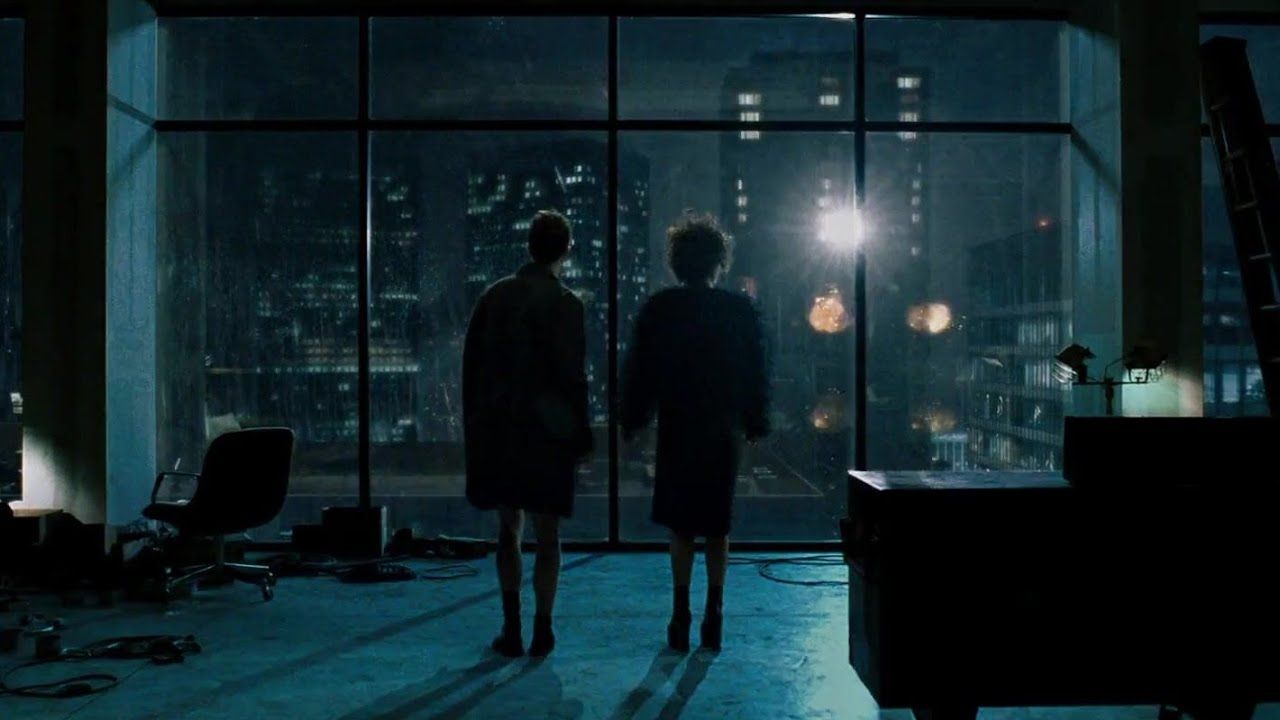
Work can keep moving even when fundamental things are missing.
People deliver.
Meetings multiply.
Decisions, one way or another, get made.
But when nobody has made clear why we're doing something,
who really decides and which criteria matter when things get complicated,
the work doesn't stop.
It just gets more expensive.
Not in a way you can see right away, and not as a line in the budget either.
But in time, in energy spent, in the friction that builds up.
This is where something comes from, something I call
the cost of context.
It's not an operational cost, a creative one, or even an organizational one.
It's the cost you pay when work happens under conditions
that don't make certain fundamental things explicit.
Let's go through them together.
I. Why are we doing this?
It happens when a project starts because it's "needed," but nobody clarifies what for.
And then you might find that:
one person reads it as a business emergency;
another as a quality improvement;
yet another as an exploratory test.
The result is that everyone works incredibly hard, but toward different goals.
And every review feels like an arbitrary correction.
The cost here isn't the mistake. It's the misalignment.
II. Who decides what, and when?
It happens when, on paper, there's someone in charge,
but the real decisions get made somewhere else.
Maybe:
a choice gets "adjusted" in a Slack comment;
a change of direction comes up on a call, with no follow-up;
a decision keeps getting pushed back until it becomes urgent.
So people learn one very specific thing: decisions don't follow a process, they follow whatever the context is at that moment.
The cost here is constant uncertainty about when something is actually decided.
III. Which criteria matter when things conflict?
It happens when two legitimate needs collide:
time vs. quality, consistency vs. speed…
but nobody spells out which one weighs more right now.
So:
a choice gets shot down "because it's not polished enough";
the following week, a similar one goes through "because now we have to ship";
without anyone saying the criteria have changed.
People stop thinking in terms of quality altogether.
They start thinking in terms of survival.
The cost here is losing trust in the criteria, not in the people.
There is a paradox, though
When these three things aren't made explicit, the work doesn't stop (it can't).
It keeps going.
But the context gets built anyway, from the bottom up:
through interpretations
through precedents
through attempts to adapt
And that's where the cost of context comes from.
But the point isn't "how much does context cost," it's rather
how much does it cost to work without an explicit context?
2. Where does this cost show up?
Context is one of those things you find everywhere, but it's never in the same place.
It shows up:
In decisions that get postponed: "we'll wait until we're aligned";
In work that gets redone because "that's not what we meant";
In the personal conflicts and friction that come from structural ambiguity;
In the constant feeling of urgency without any priority.
But how much energy gets spent, not on doing the work,
but on interpreting the system the work happens in?
3. Why do I keep calling it a cost
and not a process inefficiency?
Because inefficiency implies a kind of diffuse blame.
A cost, on the other hand, implies a design choice.
If we called it inefficiency, we'd be allowing ourselves to:
Blame this gap on people ("they're not aligned");
Blame it on complexity ("it's normal, we're growing");
Blame it on the market ("everything moves fast, you have to adapt").
Calling it a cost forces us to ask:
Who designed (or didn't design) the conditions the team operates in?
4. Why this cost stays invisible to traditional roles
Because it doesn't clearly belong to any function.
And every function, legitimately, pushes it away.
It's not Strategy.
It's not the job of the people who define vision, goals or roadmaps.
Because context isn't defined in pitches or OKRs,
but in the operational choices that happen after the strategy has been announced.
By the time a Head of Strategy or a C-level sees the problem,
it's usually already "too late":
the work has started, the compromises have been made,
and the misalignment is a debt to carry.
It's not Execution.
It's not the job of the people who have to deliver.
A Product Manager, a Project Manager, a Tech Lead
are measured on output, deadlines, velocity.
Stopping to make criteria, responsibilities or trade-offs explicit
feels like a waste of time. Something that "should be done,"
but that nobody has the time to slow down for.
It's not Human Resources
Because it's not about motivation, performance or interpersonal dynamics.
HR steps in when the problem has already become a human one:
conflict, stress, burnout, friction.
But by then the context has already done its job.
And working on the people means treating the symptoms,
not the conditions that caused them.
It's not Design.
Not even when it touches on what designing actually means.
A Product Designer or a UX Lead may see the problem clearly,
because they live with inconsistent decision-making every day.
But their mandate ends:
at the quality of the interface
at the user experience
at the product, but not at the context the product is designed in
They can try to flag it, but they can rarely do anything about it.
The result
Context lives between roles.
And whatever lives between roles usually has no specific owner.
So the "cost" is never seen for what it is.
It gets absorbed indirectly: by teams, by individuals and by time.
Until someone asks:
Why do competent people struggle to work well together.
But above all, if nobody is responsible for it, who really is?
If someone came to mind while you were reading this part, that's no accident.
5. What happens when context isn't designed intentionally?
What happens is that, as I said, one way or another it gets designed anyway.
And we end up in scenarios like these:
Decisions always come at the last minute, and urgency becomes the implicit criterion.
Not because everything is urgent, but because it's the only language that guarantees attention.
Exceptions are made "just this once",
until nobody remembers what the original rule was.
At that point there are no standards, only precedents "because this time around we needed to handle it this way," and from there our beloved "this is how we've always done it here," so why ever change?
Feedback changes depending on who's talking, not on what's being evaluated.
So people quickly learn to design for expectations, to get their work signed off and avoid more rework, not for the project's goals.
Responsibilities shift without being redefined,
"because right now we need to grit our teeth."
Officially nothing changes, but in practice everyone is working outside their scope.
Priorities are never openly stated, but you can figure them out from what gets corrected, what gets ignored and what gets rewarded,
even informally.
That's how context takes shape.
Not because someone thought it through, but because it was absorbed.
At that point context doesn't guide the work.
It conditions it.
So, are we working inside a context we understand,
or one we just put up with?
6. When context becomes a people problem, what's really going on?
Almost always, the same thing:
a problem that comes from the working conditions gets read as an individual shortcoming.
"You're not taking responsibility"
"You don't have vision"
"You're not organized"
"You're not communicating"
"You're not meeting expectations"
But the question that rarely gets asked is a different one:
what kind of operating context are these people trying to make decisions in?
When the context is fragile,
even the best people look inadequate.
Not because they really are.
But because they're compensating for something that shouldn't depend on them.
And they're forced to change, hoping next time will be better.
7. So how much does it cost to make context visible?
It costs time.
It costs thinking before doing.
It costs making explicit things that until now lived in ambiguity.
But above all, it costs something many organizations avoid:
accepting that context is a design object,
not a side effect.
But more than anything, it takes listening.
In design, nothing should run on inertia.
Every product needs:
continuous attention,
maintenance,
care,
meaning,
clear responsibilities.
I want to leave you with a question:
If context has a real cost,
if it shapes decisions, people and outcomes,
who should have the mandate to design it, maintain it and evolve it?
We're not paying the cost of context because it's complex.
We're paying it because we're not treating it as work.
We keep measuring people, performance and output,
while leaving the conditions all of this happens in without an owner.
As long as context stays outside the scope of the work,
its cost won't stop growing.
Work in Context is the place where
everything that exists stops being mistaken
for something inevitable.